Mindfulness, Purpose, and Healing: Everyday Practices to Improve Your Emotional Health

Emotional health is a vital part of addiction recovery and mental wellness. While clinical treatment provides a strong foundation, lasting healing often comes from the daily practices that help you stay grounded, connected, and motivated. Mindfulness, a sense of purpose, and intentional self care work together to support emotional balance and long term recovery. By integrating simple, meaningful habits into your routine, you can strengthen your resilience and continue healing long after treatment ends.

Understanding the Connection Between Mindfulness and Emotional Health

Mindfulness is the practice of paying attention to the present moment with awareness and compassion. In recovery, this skill helps individuals recognize emotions, thoughts, and triggers without becoming overwhelmed by them. Rather than reacting impulsively, mindfulness creates space for healthier responses.

Benefits of Mindfulness in Recovery

  • Reduces stress and anxiety
  • Improves emotional regulation
  • Increases self awareness and clarity
  • Supports relapse prevention

Practicing mindfulness regularly can help you feel more in control of your emotions and better equipped to handle daily challenges.

Simple Mindfulness Practices You Can Use Every Day

Mindfulness does not require long meditation sessions or special equipment. Small, consistent practices are often the most effective.

Breathing and Grounding Exercises

Slow, intentional breathing helps calm the nervous system and reduce emotional intensity. Try inhaling deeply for four seconds, holding briefly, then exhaling slowly. Grounding techniques, such as focusing on physical sensations or your surroundings, can help during moments of stress or craving.

Mindful Daily Activities

You can practice mindfulness during everyday tasks like eating, walking, or cleaning. Focus on what you are doing, how your body feels, and what you notice in the moment. These practices build awareness and encourage a calmer, more centered mindset.

Finding Purpose as a Path to Healing

Purpose gives recovery meaning. When individuals feel connected to something greater than themselves, whether through relationships, faith, service, or personal goals, emotional health often improves. Purpose helps shift focus away from past struggles and toward a hopeful future.

Why Purpose Matters in Recovery

  • Encourages motivation and accountability
  • Builds self worth and confidence
  • Reduces feelings of emptiness or isolation
  • Supports long term emotional stability

Purpose does not have to be grand or overwhelming. It can start with small goals or values that guide your daily decisions.

Practical Ways to Cultivate Purpose

Discovering purpose is a personal process. These strategies can help you explore what brings meaning to your life.

Set Meaningful Goals

Short term and long term goals provide direction and structure. These goals may involve personal growth, relationships, education, or health. Achieving small milestones builds confidence and reinforces progress.

Give Back to Others

Volunteering or supporting others in recovery can create a strong sense of connection and fulfillment. Helping others often strengthens your own emotional well being and reinforces your commitment to recovery.

Explore Faith or Spiritual Practices

For many people, faith based practices offer comfort, guidance, and hope. Prayer, reflection, or spiritual study can deepen emotional healing and provide a sense of peace during difficult times.

Healing Through Consistent Self Care

Mindfulness and purpose are most effective when supported by healthy routines. Emotional health improves when the body and mind are cared for together.

Self Care Practices That Support Emotional Wellness

  • Maintain regular sleep and meal schedules
  • Engage in physical activity that feels enjoyable
  • Continue therapy or counseling when possible
  • Stay connected with supportive people

These habits strengthen emotional resilience and help prevent burnout or emotional overwhelm.

Conclusion

Mindfulness, purpose, and healing are deeply connected in the journey toward emotional health and lasting recovery. By practicing mindfulness, cultivating purpose, and committing to daily self care, individuals can build a stronger emotional foundation and navigate life with greater clarity and confidence. Recovery is not just about avoiding substances. It is about creating a meaningful, balanced life that supports long term wellness.

Beyond Treatment: 7 Self‑Care Strategies to Maintain Wellness After Rehab

Completing a rehab program is a significant achievement, but recovery does not end when you leave treatment. Long-term wellness requires intentional self-care practices that support your physical, mental, and emotional health. Developing consistent routines can help prevent relapse, strengthen resilience, and maintain the progress you worked so hard to achieve. In this article, we explore seven practical self-care strategies designed to sustain wellness beyond rehab.

1. Establish a Daily Routine

A structured daily routine provides stability and reduces stress, which is essential for maintaining sobriety. Planning your day helps prevent idle time, which can trigger cravings or negative thought patterns.

How to Create an Effective Routine

  • Set regular wake-up and sleep times
  • Schedule meals, exercise, and downtime consistently
  • Include time for reflection or mindfulness practices

A predictable routine creates a sense of control and helps reinforce positive habits that support long-term recovery.

2. Prioritize Nutrition and Hydration

Your body and brain need proper fuel to function optimally after rehab. Nutrition and hydration play a vital role in stabilizing mood, enhancing focus, and supporting overall health.

Tips for Healthy Eating

  • Focus on whole foods, lean proteins, and fresh fruits and vegetables
  • Drink plenty of water and limit caffeine or sugary drinks
  • Plan meals ahead of time to avoid impulsive choices

Balanced nutrition strengthens your body, reduces fatigue, and provides the energy needed to engage fully in recovery and daily life.

3. Incorporate Regular Physical Activity

Exercise not only improves physical health but also enhances mental wellness. Movement releases endorphins, helps reduce stress, and can improve sleep quality.

Simple Ways to Stay Active

  • Take daily walks or bike rides
  • Join a fitness class or try yoga
  • Use short stretching routines during breaks in your day

Regular physical activity supports emotional resilience and provides a healthy outlet for stress management.

4. Practice Mindfulness and Meditation

Mindfulness is a powerful tool for maintaining mental health after rehab. These practices help you stay present, reduce anxiety, and manage cravings or negative emotions effectively.

Mindfulness Techniques

  • Spend 10–15 minutes each morning in meditation or deep breathing
  • Practice gratitude by journaling daily
  • Use guided mindfulness apps to stay consistent

Over time, mindfulness strengthens your ability to respond thoughtfully rather than react impulsively, which is crucial in recovery.

5. Maintain Social Connections

Strong relationships provide support, accountability, and encouragement. Staying connected with positive influences reduces isolation and helps you navigate challenges more effectively.

Ways to Build Supportive Connections

  • Attend support groups or recovery meetings regularly
  • Stay in touch with friends or family who encourage healthy habits
  • Seek mentorship or accountability partnerships

Social support is a cornerstone of sustainable recovery and overall wellness.

6. Continue Therapy or Counseling

Therapeutic support is valuable even after formal rehab ends. Ongoing therapy helps you address underlying mental health issues, process emotions, and develop coping strategies.

Tips for Continuing Therapy

  • Schedule regular check-ins with a counselor or therapist
  • Explore group therapy or peer support programs
  • Be proactive about discussing challenges and setbacks

Maintaining professional guidance ensures that recovery remains a priority and strengthens your long-term resilience.

7. Engage in Hobbies and Meaningful Activities

Pursuing interests outside of recovery enhances quality of life and provides healthy outlets for stress. Engaging in creative, social, or volunteer activities fosters purpose and fulfillment.

Ideas to Explore

  • Try painting, music, or writing
  • Join community groups or volunteer opportunities
  • Dedicate time to outdoor activities or hobbies you enjoy

Having activities that bring joy and meaning reinforces positive routines and helps prevent relapse.

Conclusion

Recovery is a lifelong journey, and self-care is the foundation for maintaining wellness beyond rehab. By establishing a routine, prioritizing nutrition and movement, practicing mindfulness, nurturing relationships, continuing therapy, and pursuing meaningful activities, you can strengthen your mind, body, and spirit.

If you are ready to take the next step in sustaining your recovery, reach out to a compassionate support team today. With guidance, individualized care, and consistent self-care, long-term wellness is not just possible—it is achievable.

How Nutrition and Movement Can Strengthen Your Body and Mind in Addiction Recovery

Recovery from addiction is a holistic journey that affects every part of your life. While therapy, support groups, and medical care are crucial, daily habits like proper nutrition and physical activity play an equally important role in supporting mental wellness and sustaining long-term recovery. Nurturing your body through healthy eating and movement not only aids physical healing but also enhances emotional resilience, cognitive clarity, and overall quality of life.

The Role of Nutrition in Recovery

Substance use can take a significant toll on the body, depleting essential nutrients and disrupting metabolic processes. Rebuilding your health begins with nourishing your body with the right foods. Proper nutrition can restore energy, stabilize mood, and support cognitive function—all vital components in the recovery process.

Key Nutritional Guidelines

  • Focus on whole foods: Fresh fruits, vegetables, lean proteins, and whole grains provide essential vitamins and minerals that support brain and body function.
  • Include healthy fats: Omega-3 fatty acids, found in fish, nuts, and seeds, help improve brain health and reduce inflammation.
  • Stay hydrated: Adequate water intake supports digestion, energy levels, and mental clarity.
  • Limit processed foods and sugar: These can trigger mood swings, cravings, and fatigue, which may interfere with recovery progress.

Small, consistent improvements in diet can lead to significant long-term benefits. Planning balanced meals and snacks helps maintain steady energy levels, reducing the risk of relapse caused by stress or fatigue.

Physical Activity as a Recovery Tool

Movement is not just about weight management. Exercise promotes the release of endorphins, which are natural mood enhancers, and reduces stress and anxiety. Regular physical activity can also improve sleep quality, increase focus, and support overall emotional well-being.

Types of Beneficial Movement

  • Aerobic exercise: Walking, jogging, swimming, or cycling strengthens the heart and lungs while releasing tension.
  • Strength training: Bodyweight exercises or light weights improve muscle tone, metabolism, and physical confidence.
  • Mind-body exercises: Yoga, tai chi, or stretching exercises promote mindfulness, flexibility, and a sense of calm.

Consistency is more important than intensity. Even 20 to 30 minutes of moderate daily activity can have a powerful impact on both physical and mental health.

Combining Nutrition and Movement for Holistic Healing

When nutrition and movement work together, they create a strong foundation for recovery. Proper fuel allows your body to perform optimally during exercise, while physical activity enhances nutrient absorption and supports metabolism. This combination helps regulate mood, improve sleep, reduce cravings, and strengthen the body’s natural resilience.

Tips for Integrating Healthy Habits

  • Set realistic goals: Start with small, achievable changes to build momentum.
  • Create a routine: Schedule meals and exercise sessions to establish consistency.
  • Seek professional guidance: Nutritionists, dietitians, and fitness coaches familiar with recovery can provide tailored plans.
  • Listen to your body: Adjust intensity and dietary choices based on how your body responds.

The Mental Health Benefits of Healthy Habits

Recovery is as much about mental wellness as physical healing. Good nutrition and regular movement support neurotransmitter balance, reduce stress hormones, and enhance cognitive function. Individuals who maintain these habits often report improved mood, increased motivation, and better emotional regulation, which are critical for avoiding relapse and sustaining long-term recovery.

Conclusion

Nutrition and movement are powerful tools in the journey of addiction recovery. By nourishing your body and staying active, you support not only physical health but also mental clarity, emotional stability, and long-term resilience. Recovery is a continuous process, and cultivating these habits daily strengthens your foundation for a healthier, balanced life.

If you are ready to take proactive steps toward your recovery, reach out to a professional support team today. With guidance, compassion, and the right daily habits, you can build a stronger body, a clearer mind, and a brighter future.

Daily Health Habits That Boost Your Mental Wellness and Support Long‑Term Recovery

Recovery from addiction is not a single moment. It is a journey that requires consistent care for both your body and mind. Developing daily health habits can make a significant difference in supporting mental wellness, reducing relapse risks, and building a sustainable, balanced life. These habits are not just about physical health—they are about nurturing your emotional, mental, and spiritual well-being as well.

Start Your Day With Mindful Practices

Beginning each day with intention sets a positive tone for your recovery journey. Mindfulness techniques, such as guided meditation, deep breathing exercises, or journaling, help you center your thoughts and reduce anxiety. Spending just 10 to 15 minutes on these practices can improve focus, manage stress, and create a sense of inner calm that carries throughout your day.

Tips for Effective Morning Mindfulness

  • Choose a quiet, comfortable space free from distractions
  • Focus on your breath or a simple mantra
  • Reflect on one positive intention for the day

Integrating mindfulness into your morning routine reinforces emotional resilience, which is crucial in maintaining long-term recovery.

Prioritize Balanced Nutrition

The connection between nutrition and mental wellness is profound. A diet rich in whole foods, lean proteins, fresh fruits, vegetables, and healthy fats can improve energy levels, stabilize mood, and support cognitive function. In recovery, your body is healing from the effects of substance use, making proper nutrition even more essential.

Practical Nutrition Tips

  • Plan meals in advance to avoid impulsive eating
  • Include foods rich in omega-3 fatty acids to support brain health
  • Stay hydrated throughout the day with water and herbal teas

Remember, small, consistent improvements in your diet can have lasting effects on both mental and physical wellness.

Move Your Body Every Day

Physical activity is a proven tool for boosting mental health. Exercise releases endorphins, reduces stress, and promotes better sleep. You do not need an intense gym routine—simple activities like walking, yoga, or stretching can support recovery and improve mood.

How to Stay Active

  • Aim for at least 20 to 30 minutes of movement daily
  • Incorporate activities that you enjoy to maintain consistency
  • Use exercise as a mindful practice, focusing on how your body feels

Regular movement not only enhances your physical health but also strengthens your mental resilience, which is essential in long-term recovery.

Build Supportive Connections

Recovery thrives in a community of support. Surrounding yourself with positive relationships, whether through support groups, therapy, or trusted friends, encourages accountability and emotional growth. Sharing your experiences and learning from others can help you navigate challenges more effectively.

Ways to Strengthen Your Support Network

  • Attend local or online recovery meetings
  • Schedule regular check-ins with supportive friends or family
  • Participate in community or volunteer activities

These connections help reduce feelings of isolation and provide encouragement during difficult moments.

Practice Gratitude and Reflection

Taking time to reflect on your progress and express gratitude can improve mental health and foster a positive mindset. Simple daily practices, like noting three things you are thankful for or reviewing your recovery milestones, can reinforce a sense of accomplishment and purpose.

Simple Gratitude Practices

  • Keep a daily journal
  • Share positive reflections with a friend or mentor
  • Celebrate small wins to maintain motivation

Gratitude helps shift focus from past challenges to current achievements, enhancing overall emotional wellness.

Conclusion

Developing daily health habits is a cornerstone of successful long-term recovery. Mindfulness, balanced nutrition, regular exercise, supportive connections, and gratitude all work together to strengthen mental wellness and provide stability. Recovery is a journey best taken with intentional care for your body, mind, and spirit.

If you are ready to take the next step toward sustainable wellness and recovery, reach out to a professional support team today. With guidance, compassion, and the right daily habits, you can build a healthier, more balanced life.

A Fresh Start: Embracing Meditation as a Tool for Personal Transformation

Personal transformation is at the heart of recovery from addiction and mental health challenges. Creating lasting change requires more than willpower; it requires intentional practices that strengthen the mind, support emotional balance, and foster spiritual growth. Meditation is a powerful tool that promotes self-awareness, resilience, and clarity, helping individuals embark on a fresh start toward meaningful, lasting transformation. At wprefresh.com, we integrate meditation into holistic recovery programs, combining mental health treatment, addiction recovery services, and faith-based approaches to guide clients toward comprehensive wellness.

Why Meditation Supports Personal Transformation

Recovery often involves confronting old patterns, processing difficult emotions, and rebuilding a sense of purpose. Meditation encourages present-moment awareness, allowing individuals to observe thoughts and feelings without judgment. This practice helps break cycles of negative thinking, reduces emotional reactivity, and supports healthier decision-making. By cultivating mindfulness, clients can approach challenges with calm, focus, and intention, creating the foundation for profound personal change.

Key Benefits of Meditation in Recovery

  • Enhances self-awareness and emotional insight
  • Reduces stress, anxiety, and depression
  • Supports management of cravings and triggers
  • Promotes mental clarity and focus
  • Encourages spiritual growth and resilience

Incorporating meditation into daily life provides practical tools for navigating recovery while fostering a deeper connection to oneself and one’s goals.

Practical Meditation Techniques for Transformation

Mindful Breathing

Sit comfortably and focus on the rhythm of your breath. Inhale deeply and exhale slowly, noticing each sensation. This simple practice anchors the mind, calms emotional turbulence, and prepares the body and mind for conscious action.

Body Scan Meditation

Pay attention to different areas of your body, observing sensations without judgment. This practice helps release tension, improves body awareness, and reconnects individuals with their physical and emotional states.

Guided Meditation

Use audio or video-guided meditation sessions that focus on recovery, personal growth, or spiritual reflection. Guided practices provide structure and support, particularly for beginners, making it easier to maintain a consistent practice.

Faith-Based Meditation

Integrate prayer, scripture reading, or spiritual reflection into meditation. At wprefresh.com, faith-centered meditation reinforces hope, purpose, and spiritual resilience, supporting a holistic approach to personal transformation.

Building a Consistent Meditation Routine

Consistency is crucial for meditation to be effective in supporting personal growth. Start with short sessions, five to ten minutes daily, and gradually increase the duration as comfort grows. Pair meditation with journaling, mindful walking, or reflective practices to reinforce its benefits. At wprefresh.com, meditation is incorporated into individualized inpatient and outpatient programs, ensuring clients receive tailored guidance and ongoing support.

Embracing Transformation Through Mindfulness

Meditation is not just a technique; it is a pathway to self-discovery, emotional balance, and sustainable personal growth. By embracing mindful practices, individuals in recovery can create meaningful change, navigate challenges with clarity, and cultivate a renewed sense of purpose.

At wprefresh.com, our compassionate team guides clients in integrating meditation into their recovery journey. Through a holistic and faith-based approach, we help individuals experience transformation that touches every aspect of their well-being.

Take the first step toward personal transformation today. Contact us at wprefresh.com to learn how meditation and holistic care can support your journey to lasting wellness and inner peace.

Quieting the Mind: Meditation Strategies for Emotional Balance and Healing

Emotional balance is a critical component of recovery from addiction and mental health challenges. When emotions feel overwhelming, it can be difficult to stay focused, make healthy choices, and maintain progress in treatment. Meditation offers a powerful tool to help individuals quiet the mind, regulate emotions, and foster inner healing. At wprefresh.com, we integrate meditation into holistic recovery programs, combining mental health treatment, addiction recovery services, and faith-based approaches to support comprehensive well-being.

The Importance of Emotional Balance in Recovery

Recovery is not only about abstaining from substances or managing symptoms; it is about cultivating resilience, self-awareness, and emotional stability. Unmanaged stress, anxiety, or unresolved emotions can trigger cravings and setbacks. Meditation provides a structured way to observe thoughts and feelings without judgment, allowing individuals to respond rather than react. This practice fosters a calmer, more balanced mindset that supports long-term recovery success.

Benefits of Meditation for Emotional Healing

  • Reduces anxiety, stress, and depressive symptoms
  • Enhances self-awareness and emotional regulation
  • Supports management of triggers and cravings
  • Encourages mindfulness and presence in daily life
  • Strengthens spiritual and psychological well-being

Regular meditation helps clients develop practical tools for navigating challenging emotions while reinforcing overall mental health.

Effective Meditation Strategies for Emotional Balance

Mindful Breathing

Focus on the natural rhythm of your breath. Inhale deeply and exhale slowly, noticing each sensation as you breathe. This simple yet powerful practice reduces stress, centers attention, and calms emotional turbulence.

Body Scan Meditation

Pay attention to different parts of your body, observing sensations without judgment. This technique fosters body awareness, releases tension, and reconnects you with your physical self, which can be particularly beneficial during recovery.

Guided Visualization

Use guided meditation recordings or visualizations to imagine peaceful scenes or positive outcomes. This method helps regulate emotions, manage cravings, and cultivate a sense of safety and calm.

Faith-Based Meditation

Incorporate prayer, scripture reading, or spiritual reflection into meditation. Faith-centered practices can deepen a sense of purpose, offer comfort during challenging moments, and enhance emotional resilience.

Building a Sustainable Meditation Practice

Consistency is key to developing the emotional benefits of meditation. Begin with short sessions, five to ten minutes daily, and gradually extend the duration as you become more comfortable. Pair meditation with journaling, light stretching, or mindful walking to reinforce its impact. At wprefresh.com, meditation is integrated into individualized inpatient and outpatient programs, ensuring support and guidance tailored to each client’s unique needs.

Embracing Emotional Healing Through Meditation

Quieting the mind is more than a relaxation technique; it is a pathway to emotional balance, clarity, and self-compassion. Meditation empowers individuals to observe emotions without judgment, navigate triggers thoughtfully, and build resilience for long-term recovery.

At wprefresh.com, our compassionate team is committed to helping clients incorporate meditation and holistic practices into their recovery journey. By combining mindfulness with clinical care and spiritual support, we help clients achieve mental clarity, emotional stability, and lasting wellness.

Take the first step toward emotional balance and inner healing. Contact us today to learn how meditation and individualized recovery programs can support your journey to lasting wellness.

Spiritual Serenity: Faith-Based Meditation Techniques for Inner Peace

Finding peace during addiction recovery and mental health healing often requires more than clinical treatment alone. Many individuals discover that true healing happens when the mind, body, and spirit are aligned. Faith-based meditation offers a meaningful path toward inner peace by combining mindfulness with spiritual connection. At wprefresh.com, we integrate faith-centered practices into individualized treatment plans, supporting clients through addiction recovery, mental health care, and holistic healing.

The Role of Faith in Mental Health and Recovery

Addiction and mental health challenges can leave individuals feeling disconnected, overwhelmed, and spiritually empty. Faith-based meditation provides a grounding framework that restores hope, purpose, and emotional stability. By turning inward while staying connected to spiritual beliefs, individuals can experience calm, clarity, and renewed strength during recovery.

Spiritual practices also encourage forgiveness, self-compassion, and patience. These qualities are essential for navigating setbacks and maintaining long-term recovery. When faith and mindfulness work together, they create a powerful foundation for healing that extends beyond symptom management.

How Faith-Based Meditation Supports Recovery

Faith-centered meditation focuses on stillness, reflection, and trust in a higher purpose. This approach helps calm the nervous system, reduce anxiety, and quiet negative thought patterns that often fuel addiction and emotional distress.

Key Benefits of Faith-Based Meditation

  • Reduces stress and emotional reactivity
  • Strengthens resilience during cravings and triggers
  • Encourages spiritual growth and self-reflection
  • Supports emotional healing and mental clarity
  • Reinforces a sense of hope and direction

These benefits help individuals remain centered, especially during challenging moments in recovery.

Faith-Based Meditation Techniques for Inner Peace

Scripture or Devotional Meditation

Choose a short passage of scripture or devotional reading. Read it slowly and reflect on its meaning. Allow the message to guide your thoughts and intentions for the day. This practice nurtures spiritual insight and emotional calm.

Prayerful Breathing

Combine deep breathing with prayer. Inhale slowly while focusing on gratitude or trust. Exhale while releasing worry or fear. This technique helps regulate emotions and strengthens spiritual awareness.

Silent Reflection

Sit quietly and focus on being present with your faith. Avoid rushing thoughts or expectations. Simply allow stillness to create space for peace, clarity, and connection.

Gratitude Meditation

Reflect on blessings, progress, and moments of grace in your life. Gratitude meditation encourages a positive mindset and helps counter feelings of shame or discouragement often associated with addiction recovery.

Integrating Faith-Based Meditation into Daily Life

Consistency is essential for building spiritual serenity. Begin with five to ten minutes each day and gradually increase the duration as comfort grows. Pair meditation with other supportive practices such as journaling, group therapy, or counseling to strengthen its impact.

At wprefresh.com, faith-based meditation is thoughtfully integrated into both inpatient and outpatient programs. Our compassionate team tailors each approach to align with individual beliefs, clinical needs, and recovery goals.

A Path Toward Lasting Peace and Healing

Faith-based meditation offers more than relaxation. It provides a deeper sense of purpose, stability, and hope throughout the recovery journey. By embracing spiritual serenity, individuals can develop inner strength, emotional balance, and clarity that supports long-term wellness.

At wprefresh.com, we believe healing is most effective when it honors the whole person. Our holistic, faith-centered approach empowers individuals to reconnect with themselves and move forward with confidence.

Take the next step toward inner peace and lasting recovery. Contact our team today to learn how faith-based meditation and personalized care can support your journey to wellness.

The Power of Presence: How Being Mindful Supports Addiction Recovery

Addiction recovery is a journey that requires focus, self-awareness, and resilience. One of the most effective tools for navigating this path is mindfulness. Being fully present in the moment allows individuals to observe their thoughts and emotions without judgment, respond to challenges with clarity, and build healthier coping mechanisms. At wprefresh.com, we incorporate mindfulness practices into our holistic recovery programs, combining mental health treatment, addiction recovery services, and faith-based approaches to support lasting wellness.

Why Mindfulness Matters in Recovery

Addiction often creates patterns of impulsivity and reactive behaviors. Cravings, stress, and emotional triggers can overwhelm the mind, making it difficult to maintain control. Mindfulness helps by training the brain to pause, observe, and choose intentional responses rather than acting on impulses. This awareness strengthens emotional regulation, reduces anxiety, and builds the mental resilience necessary for long-term recovery.

Benefits of Mindfulness in Addiction Recovery

  • Enhances self-awareness and insight into thoughts and behaviors
  • Reduces stress, anxiety, and depressive symptoms
  • Supports management of cravings and triggers
  • Improves focus and decision-making skills
  • Encourages a holistic sense of balance and well-being

By practicing mindfulness regularly, individuals in recovery can develop tools to navigate daily challenges with clarity and confidence.

Practical Mindfulness Techniques

Mindful Breathing

Sit comfortably and focus on your breath. Inhale deeply, hold for a moment, and exhale slowly. By bringing attention to the rhythm of your breathing, you create a mental anchor that calms the mind and reduces stress.

Body Scan Meditation

Pay attention to different parts of your body, noticing sensations without judgment. This practice reconnects you with your physical self, releases tension, and fosters a sense of grounding essential for recovery.

Mindful Observation

Choose an object, sound, or sensation and observe it fully. Notice its details without distraction or interpretation. This technique strengthens concentration and helps develop a non-reactive, present-moment awareness.

Faith-Based Reflection

Incorporate prayer, scripture, or spiritual contemplation into mindfulness practice. At wprefresh.com, we recognize that faith-centered mindfulness can enhance emotional resilience, provide comfort, and reinforce a sense of purpose throughout the recovery journey.

Building Mindfulness into Daily Life

Consistency is key to reaping the benefits of mindfulness. Begin with short sessions, such as five to ten minutes, and gradually extend the duration. Integrate mindfulness into everyday activities like walking, eating, or daily chores to create continuous awareness throughout the day.

At wprefresh.com, our individualized approach ensures that mindfulness is tailored to each client’s needs. Whether in inpatient or outpatient care, mindfulness is paired with therapy, holistic practices, and medical support to create a comprehensive recovery plan.

Embracing the Power of Presence

Mindfulness is more than a practice; it is a way of approaching life with awareness, compassion, and intentionality. By being present, individuals in recovery can navigate cravings, reduce stress, and foster emotional stability. The power of presence transforms daily challenges into opportunities for growth and healing.

At wprefresh.com, we are committed to helping you harness mindfulness as a tool for lasting recovery. Our compassionate team guides clients in integrating mindfulness into their recovery journey, supporting mental clarity, emotional balance, and overall well-being.

Take the first step toward a more mindful, empowered recovery. Contact us today to learn how mindfulness and holistic care can transform your journey toward lasting wellness.

From Chaos to Calm: Simple Meditation Practices for Stress Relief

Every day brings its own challenges. For individuals navigating addiction recovery or managing mental health, stress can feel overwhelming. Racing thoughts, emotional turmoil, and physical tension often cloud the path to healing. But there is hope. Meditation offers a powerful, accessible way to move from chaos to calm — giving you tools not just to survive, but to find real peace and lasting resilience.

At wprefresh.com, we believe in a holistic approach to recovery, one that honors mind, body, and spirit. Integrating meditation into treatment supports not only sobriety, but also emotional balance, clarity, and inner strength.

Why Stress Relief Matters in Recovery

Addiction and mental health struggles often go hand in hand with elevated stress. High stress levels can trigger relapse, worsen anxiety or depression, and make it difficult to engage meaningfully in therapy or life’s daily tasks. Meditation helps because it reduces the body’s stress response and helps regulate emotions. ScienceDirect+2Canadian Centre for Addictions+2

Research supports this. Studies have shown that regular meditation lowers cortisol — the hormone associated with stress — and reduces blood pressure, heart rate, and inflammation markers. PubMed+2ScienceDirect+2 Meditation also improves brain function: it strengthens areas related to self-control, emotional regulation, and focus. Canadian Centre for Addictions+1

By calming the nervous system and training the mind to respond instead of react, meditation becomes a lifeline during recovery — helping you manage triggers, lessen anxiety, and build emotional resilience.

Simple Meditation Practices to Begin With

Mindful Breathing

Find a quiet spot and sit comfortably. Close your eyes (or soften your gaze) and focus on your breath. Notice each inhale and exhale without trying to control it. When thoughts wander — and they will — gently bring your focus back to your breath.

Even five minutes of this simple practice can help calm mental chatter, reduce stress, and ground you in the present moment. This makes it easier to face daily challenges with clarity and calm.

Body Scan Meditation

Lie down or sit comfortably and slowly bring awareness to different parts of your body. Start at your toes and move upward. Notice sensations: tension, warmth, tingling, or ease. Acknowledge each feeling without judgment.

This practice reconnects you with your physical self, helps release stored tension, and promotes a sense of inner calm. For many in recovery, body scan meditation becomes a bridge between mind and body — helping relieve stress that often shows up physically as well as mentally.

Guided Meditation and Visualization

For beginners, guided meditations — via audio, video, or group sessions — can be very helpful. These provide structure and gentle direction, which makes staying focused easier when the mind is restless.

Visualization is another powerful tool. You might imagine a safe place — a peaceful beach, a quiet forest, or a room of calm — and use all your senses to immerse yourself in that place. Visualization helps soothe anxiety and can shift your emotional state from fear or stress to safety and relaxation.

Faith-Centered Reflection

At wprefresh.com, many clients find healing through faith-based meditation. You might combine quiet reflection with prayer, scripture reading, or spiritual affirmation. This approach supports spiritual wellness while calming the mind and nurturing hope.

Building a Daily Meditation Habit

The real benefit of meditation comes with consistency. Start small. Five to ten minutes a day is enough. Choose a time that works for you — maybe in the morning before the day begins or in the evening to wind down.

Create a dedicated space if possible: a quiet corner, a mat, a cushion, or a chair. Treat your meditation like a daily appointment — a commitment to your well-being. As practice becomes regular, many find that meditation becomes a reliable anchor, helping manage stress and emotional turbulence before it builds.

At wprefresh.com, we encourage integrating meditation into daily routines along with therapy, support groups, and holistic care. This combined approach supports healing on every level: mental, emotional, physical, and spiritual.

From Chaos to Calm — Your Next Step

Stress does not have to rule your recovery journey. With gentle, consistent meditation practices, you can calm your mind, reduce emotional overwhelm, and build resilience for life’s challenges.

If you are ready to move beyond chaos and embrace calm, wprefresh.com is here to walk with you. Our compassionate team offers individualized support, blending meditation with medical care, therapy, and faith-based guidance to support your growth.

Reach out today to begin your journey toward inner peace, clarity, and lasting recovery.

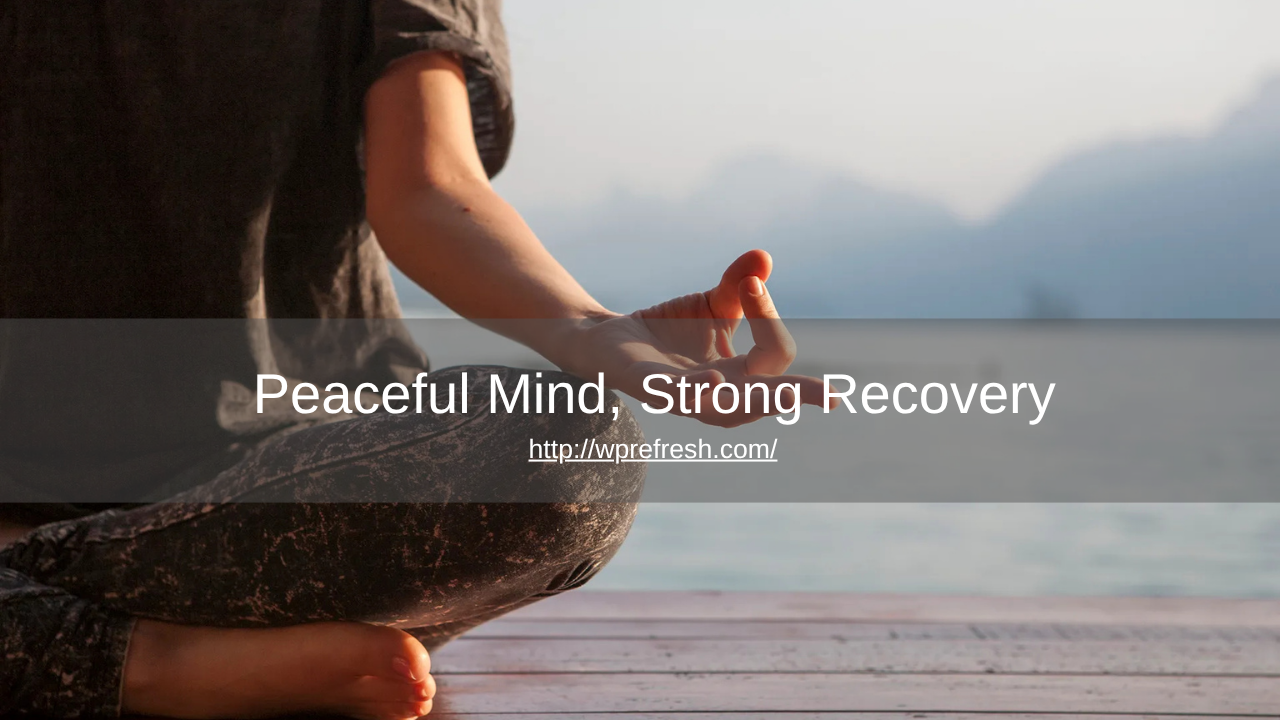
Peaceful Mind, Strong Recovery: Integrating Meditation into Your Healing Process

Recovery from addiction and mental health challenges requires more than medical treatment—it requires a holistic approach that addresses the mind, body, and spirit. Meditation is a powerful tool that can be seamlessly integrated into the healing process, helping individuals cultivate inner peace, manage stress, and strengthen resilience. At wprefresh.com, we combine meditation with evidence-based therapies, faith-centered care, and individualized treatment plans to support lasting recovery and overall well-being.

Why Meditation Matters in Recovery

Addiction and mental health conditions can leave the mind in a constant state of unrest. Racing thoughts, anxiety, and emotional triggers often make it difficult to focus on recovery goals. Meditation provides a structured way to pause, center yourself, and develop awareness of your thoughts and emotions. By practicing mindfulness, individuals learn to respond to stress and cravings with intention, rather than reacting impulsively.

Benefits of Meditation for Healing

  • Reduces anxiety, stress, and depressive symptoms
  • Improves focus, clarity, and decision-making skills
  • Supports emotional regulation and resilience
  • Helps manage cravings and triggers in recovery
  • Promotes spiritual and holistic well-being

By integrating meditation into daily routines, clients build mental strength and emotional stability, which are essential for maintaining long-term recovery.

Practical Meditation Techniques for Recovery

Mindful Breathing

Sit comfortably and focus on the rhythm of your breath. Inhale deeply and exhale slowly, bringing awareness to each breath. This practice calms the nervous system and creates a foundation for mindful decision-making.

Body Scan Meditation

Shift attention to different areas of your body, observing sensations without judgment. This technique enhances body awareness, relieves tension, and helps reconnect with your physical self during recovery.

Guided Meditation

Follow audio or video guidance that focuses on relaxation, recovery, or faith-based reflection. Guided sessions can help beginners stay engaged and consistent, building a sustainable meditation practice.

Faith-Based Reflection

Combine meditation with prayer or scripture reading to nurture spiritual growth and inner strength. Many clients find this approach enhances both peace of mind and purpose in their recovery journey.

Building a Consistent Meditation Practice

Consistency is key to experiencing the benefits of meditation. Begin with short sessions, five to ten minutes daily, and gradually extend the duration as you become more comfortable. Pair meditation with other healthy habits, such as journaling, stretching, or mindful walking, to reinforce a holistic approach to healing. At wprefresh.com, our individualized programs integrate meditation into both inpatient and outpatient care, ensuring clients receive guidance and support that aligns with their unique needs.

The Path to Lasting Recovery

Meditation is more than a practice; it is a skill that strengthens the mind, nurtures emotional balance, and supports a sustainable recovery journey. By cultivating a peaceful mind, individuals gain the clarity and resilience needed to navigate challenges, maintain sobriety, and embrace a fulfilling life.

At wprefresh.com, we are committed to helping you integrate meditation into your daily routine as part of a comprehensive healing plan. Our compassionate team provides personalized support, empowering you to find peace within yourself and build a strong foundation for recovery.

Take the first step toward a peaceful mind and strong recovery. Contact us today to learn how meditation and holistic care can transform your healing journey.