In an age where distractions are endless and life often feels like a constant race, finding inner peace can seem elusive. Yet, the power of presence—the simple act of being fully in the moment—offers a profound path to tranquility. Meditation is one of the most effective tools to cultivate presence, allowing individuals to quiet the mind, release stress, and experience lasting calm.
Why Presence Matters
Presence is the practice of living in the now. When you are present, you are not worrying about the future or ruminating on the past. Instead, you are fully engaged with what is happening at this very moment. This state of mindfulness can reduce anxiety, sharpen focus, and deepen connections with others. It also leads to greater emotional resilience, helping you navigate life’s challenges with grace and balance.
The Role of Meditation in Cultivating Presence
Meditation is a practice designed to train the mind to stay present. By focusing attention and calming mental chatter, meditation enhances self-awareness and fosters a deep sense of inner peace. Over time, it rewires the brain to become more focused, compassionate, and resilient.
Effective Meditation Techniques for Inner Peace
Here are some powerful meditation techniques that help develop the power of presence:
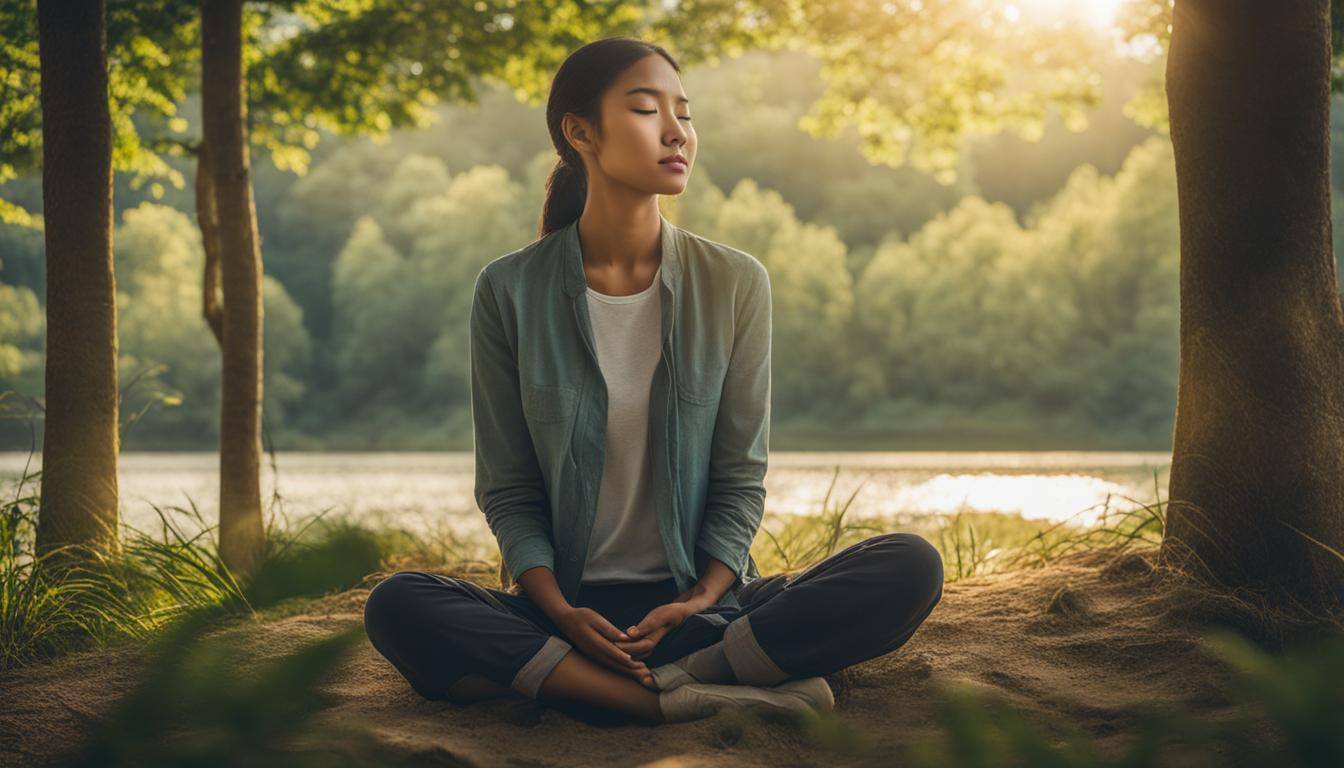
- Mindful Breathing Sit comfortably and close your eyes. Focus your attention on your breath as it flows in and out. Notice the sensation of air moving through your nose, the rise and fall of your chest, and the rhythm of your breathing. When your mind wanders, gently bring it back to your breath without judgment.
- Body Scan Meditation This practice involves paying attention to different parts of your body, starting from the top of your head and moving down to your toes. Notice sensations such as tension, warmth, or relaxation. The body scan helps you become aware of physical sensations and releases built-up stress.
- Loving-Kindness Meditation (Metta) In this meditation, you silently repeat phrases of goodwill and compassion toward yourself and others. For example, you might say, “May I be happy. May I be healthy. May I live with ease.” Gradually extend these wishes to loved ones, acquaintances, and even people you find challenging. This practice nurtures empathy and reduces emotional reactivity.
- Walking Meditation Walking meditation combines movement with mindfulness. Walk slowly and focus on the sensation of your feet touching the ground, the rhythm of your steps, and the environment around you. This technique is especially helpful for those who find sitting still difficult.
- Visualization Meditation Visualize a peaceful place, such as a quiet beach or a serene forest. Engage all your senses by imagining the sounds, smells, and sights. Visualization helps the mind relax and encourages a sense of safety and calm.
Conclusion
The power of presence is a gift you can give yourself every day. Through meditation, you can train your mind to embrace the present moment, dissolve stress, and find inner peace. Whether through mindful breathing, loving-kindness, or visualization, meditation offers tools to navigate life with calmness and clarity. With regular practice, the benefits extend beyond meditation sessions, enriching your daily life with greater awareness and serenity.