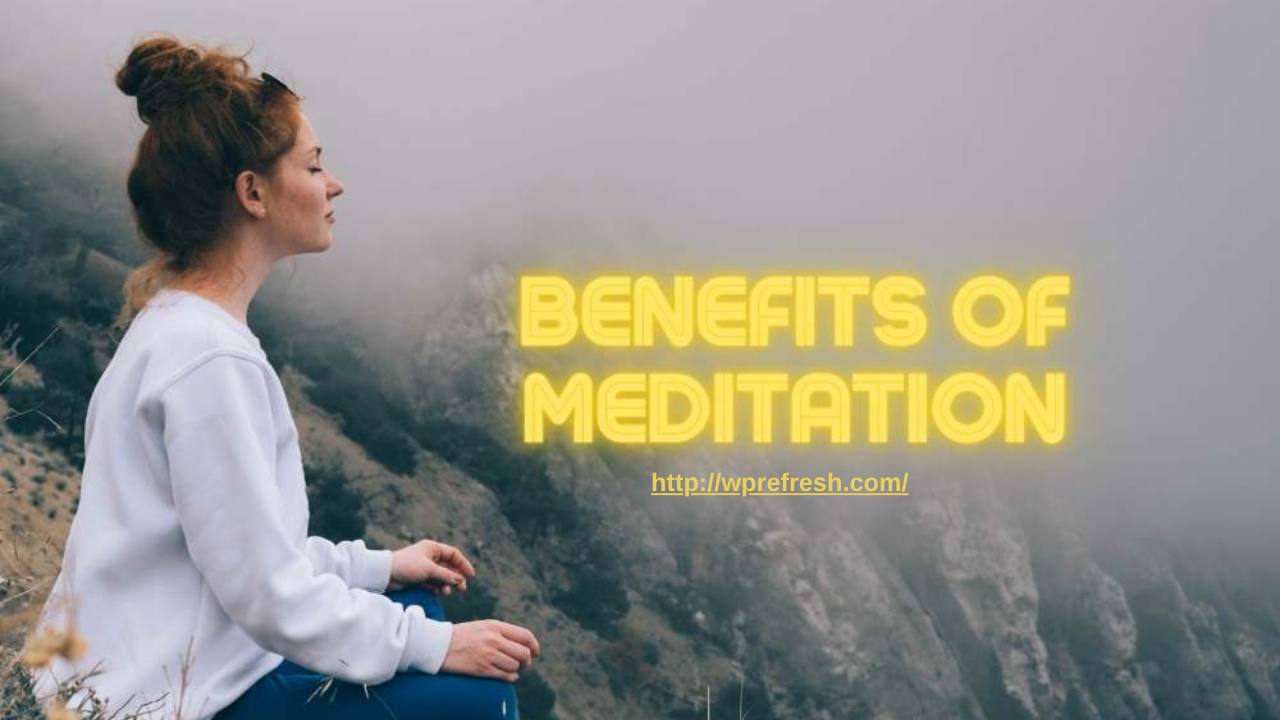
From Chaos to Calm: Simple Meditation Practices for Stress Relief

Every day brings its own challenges. For individuals navigating addiction recovery or managing mental health, stress can feel overwhelming. Racing thoughts, emotional turmoil, and physical tension often cloud the path to healing. But there is hope. Meditation offers a powerful, accessible way to move from chaos to calm — giving you tools not just to survive, but to find real peace and lasting resilience.

At wprefresh.com, we believe in a holistic approach to recovery, one that honors mind, body, and spirit. Integrating meditation into treatment supports not only sobriety, but also emotional balance, clarity, and inner strength.

Why Stress Relief Matters in Recovery

Addiction and mental health struggles often go hand in hand with elevated stress. High stress levels can trigger relapse, worsen anxiety or depression, and make it difficult to engage meaningfully in therapy or life’s daily tasks. Meditation helps because it reduces the body’s stress response and helps regulate emotions. ScienceDirect+2Canadian Centre for Addictions+2

Research supports this. Studies have shown that regular meditation lowers cortisol — the hormone associated with stress — and reduces blood pressure, heart rate, and inflammation markers. PubMed+2ScienceDirect+2 Meditation also improves brain function: it strengthens areas related to self-control, emotional regulation, and focus. Canadian Centre for Addictions+1

By calming the nervous system and training the mind to respond instead of react, meditation becomes a lifeline during recovery — helping you manage triggers, lessen anxiety, and build emotional resilience.

Simple Meditation Practices to Begin With

Mindful Breathing

Find a quiet spot and sit comfortably. Close your eyes (or soften your gaze) and focus on your breath. Notice each inhale and exhale without trying to control it. When thoughts wander — and they will — gently bring your focus back to your breath.

Even five minutes of this simple practice can help calm mental chatter, reduce stress, and ground you in the present moment. This makes it easier to face daily challenges with clarity and calm.

Body Scan Meditation

Lie down or sit comfortably and slowly bring awareness to different parts of your body. Start at your toes and move upward. Notice sensations: tension, warmth, tingling, or ease. Acknowledge each feeling without judgment.

This practice reconnects you with your physical self, helps release stored tension, and promotes a sense of inner calm. For many in recovery, body scan meditation becomes a bridge between mind and body — helping relieve stress that often shows up physically as well as mentally.

Guided Meditation and Visualization

For beginners, guided meditations — via audio, video, or group sessions — can be very helpful. These provide structure and gentle direction, which makes staying focused easier when the mind is restless.

Visualization is another powerful tool. You might imagine a safe place — a peaceful beach, a quiet forest, or a room of calm — and use all your senses to immerse yourself in that place. Visualization helps soothe anxiety and can shift your emotional state from fear or stress to safety and relaxation.

Faith-Centered Reflection

At wprefresh.com, many clients find healing through faith-based meditation. You might combine quiet reflection with prayer, scripture reading, or spiritual affirmation. This approach supports spiritual wellness while calming the mind and nurturing hope.

Building a Daily Meditation Habit

The real benefit of meditation comes with consistency. Start small. Five to ten minutes a day is enough. Choose a time that works for you — maybe in the morning before the day begins or in the evening to wind down.

Create a dedicated space if possible: a quiet corner, a mat, a cushion, or a chair. Treat your meditation like a daily appointment — a commitment to your well-being. As practice becomes regular, many find that meditation becomes a reliable anchor, helping manage stress and emotional turbulence before it builds.

At wprefresh.com, we encourage integrating meditation into daily routines along with therapy, support groups, and holistic care. This combined approach supports healing on every level: mental, emotional, physical, and spiritual.

From Chaos to Calm — Your Next Step

Stress does not have to rule your recovery journey. With gentle, consistent meditation practices, you can calm your mind, reduce emotional overwhelm, and build resilience for life’s challenges.

If you are ready to move beyond chaos and embrace calm, wprefresh.com is here to walk with you. Our compassionate team offers individualized support, blending meditation with medical care, therapy, and faith-based guidance to support your growth.

Reach out today to begin your journey toward inner peace, clarity, and lasting recovery.
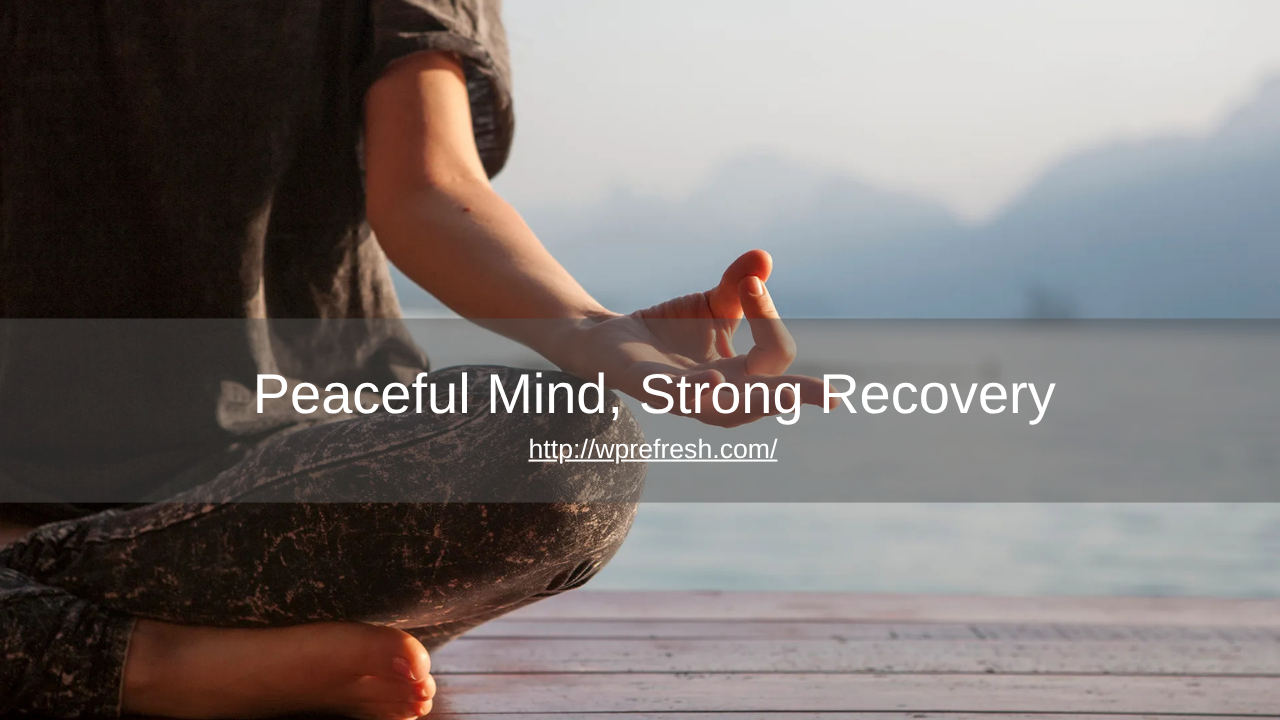
Peaceful Mind, Strong Recovery: Integrating Meditation into Your Healing Process

Recovery from addiction and mental health challenges requires more than medical treatment—it requires a holistic approach that addresses the mind, body, and spirit. Meditation is a powerful tool that can be seamlessly integrated into the healing process, helping individuals cultivate inner peace, manage stress, and strengthen resilience. At wprefresh.com, we combine meditation with evidence-based therapies, faith-centered care, and individualized treatment plans to support lasting recovery and overall well-being.

Why Meditation Matters in Recovery

Addiction and mental health conditions can leave the mind in a constant state of unrest. Racing thoughts, anxiety, and emotional triggers often make it difficult to focus on recovery goals. Meditation provides a structured way to pause, center yourself, and develop awareness of your thoughts and emotions. By practicing mindfulness, individuals learn to respond to stress and cravings with intention, rather than reacting impulsively.

Benefits of Meditation for Healing

  • Reduces anxiety, stress, and depressive symptoms
  • Improves focus, clarity, and decision-making skills
  • Supports emotional regulation and resilience
  • Helps manage cravings and triggers in recovery
  • Promotes spiritual and holistic well-being

By integrating meditation into daily routines, clients build mental strength and emotional stability, which are essential for maintaining long-term recovery.

Practical Meditation Techniques for Recovery

Mindful Breathing

Sit comfortably and focus on the rhythm of your breath. Inhale deeply and exhale slowly, bringing awareness to each breath. This practice calms the nervous system and creates a foundation for mindful decision-making.

Body Scan Meditation

Shift attention to different areas of your body, observing sensations without judgment. This technique enhances body awareness, relieves tension, and helps reconnect with your physical self during recovery.

Guided Meditation

Follow audio or video guidance that focuses on relaxation, recovery, or faith-based reflection. Guided sessions can help beginners stay engaged and consistent, building a sustainable meditation practice.

Faith-Based Reflection

Combine meditation with prayer or scripture reading to nurture spiritual growth and inner strength. Many clients find this approach enhances both peace of mind and purpose in their recovery journey.

Building a Consistent Meditation Practice

Consistency is key to experiencing the benefits of meditation. Begin with short sessions, five to ten minutes daily, and gradually extend the duration as you become more comfortable. Pair meditation with other healthy habits, such as journaling, stretching, or mindful walking, to reinforce a holistic approach to healing. At wprefresh.com, our individualized programs integrate meditation into both inpatient and outpatient care, ensuring clients receive guidance and support that aligns with their unique needs.

The Path to Lasting Recovery

Meditation is more than a practice; it is a skill that strengthens the mind, nurtures emotional balance, and supports a sustainable recovery journey. By cultivating a peaceful mind, individuals gain the clarity and resilience needed to navigate challenges, maintain sobriety, and embrace a fulfilling life.

At wprefresh.com, we are committed to helping you integrate meditation into your daily routine as part of a comprehensive healing plan. Our compassionate team provides personalized support, empowering you to find peace within yourself and build a strong foundation for recovery.

Take the first step toward a peaceful mind and strong recovery. Contact us today to learn how meditation and holistic care can transform your healing journey.

Healing from Within: The Role of Meditation in Mental Health Recovery

Healing the mind requires more than clinical treatment alone—it calls for self-awareness, balance, and a renewed sense of peace. Meditation has become a powerful ally in mental health recovery, helping individuals quiet the mind, reduce anxiety, and reconnect with their inner strength. At wprefresh.com, we combine evidence-based therapies with holistic, faith-centered practices to promote deep and lasting healing. Meditation is one of the many tools that guide clients toward calm, clarity, and emotional stability.

Understanding the Mind-Body Connection in Recovery

Mental health recovery is not a linear process. For many individuals, challenges such as anxiety, depression, or addiction can cloud thoughts and emotions, making daily life feel heavy and overwhelming. Meditation works by calming the nervous system, improving emotional regulation, and strengthening self-awareness. When practiced regularly, it helps to break the cycle of overthinking and emotional reactivity that often fuels mental health struggles.

At wprefresh.com, meditation is used to complement traditional treatments like counseling, group therapy, and medical care. This integration ensures that clients experience healing not only on a psychological level but also in the deeper layers of their emotional and spiritual well-being.

The Science Behind Meditation and Mental Health

Research consistently supports the effectiveness of meditation in improving mental health. Studies show that mindfulness-based practices can reduce symptoms of depression and anxiety, lower cortisol (the stress hormone), and increase activity in brain regions linked to positivity and emotional control. Meditation also promotes neuroplasticity—the brain’s ability to rewire itself—allowing individuals to form healthier thought patterns and coping mechanisms.

For those in recovery, meditation provides a safe space to slow down, observe their emotions without judgment, and respond to challenges from a place of peace rather than impulse.

Practical Meditation Techniques for Mental Health

Mindful Breathing

Focus on the natural rhythm of your breath. This simple practice brings your attention to the present moment, calming racing thoughts and reducing anxiety.

Loving-Kindness Meditation

Silently repeat phrases of compassion toward yourself and others, such as “May I be at peace” or “May I be free from suffering.” This practice nurtures empathy and emotional healing, both of which are essential in recovery.

Guided Visualization

Imagine a safe, peaceful place where you feel calm and supported. Visualization helps regulate emotions, reduce tension, and create a sense of comfort during difficult moments.

Faith-Based Meditation

Incorporate prayer or scripture reflection to deepen spiritual connection and strengthen inner resilience. At wprefresh.com, faith plays an important role in helping clients find purpose and hope in their recovery journey.

Building Meditation into a Recovery Routine

Meditation is most effective when practiced consistently. Start with five minutes a day and gradually increase the duration as you become more comfortable. It can be practiced in the morning to set a calm tone for the day, or in the evening to release stress and prepare for rest. Combining meditation with journaling or light stretching enhances mindfulness and promotes a balanced daily rhythm.

At wprefresh.com, our programs incorporate meditation into both inpatient and outpatient treatment plans. By blending modern therapeutic methods with holistic practices, we help clients cultivate tools that support long-term recovery and mental wellness.

Take the Next Step Toward Inner Healing

True recovery begins from within. Meditation empowers individuals to regain control of their thoughts, reconnect with their purpose, and find peace in the present moment. If you are ready to begin your journey toward emotional balance and spiritual renewal, our compassionate team at wprefresh.com is here to guide you.

Contact us today to learn more about our holistic, personalized approach to mental health and addiction recovery. Healing is possible—one mindful breath at a time.