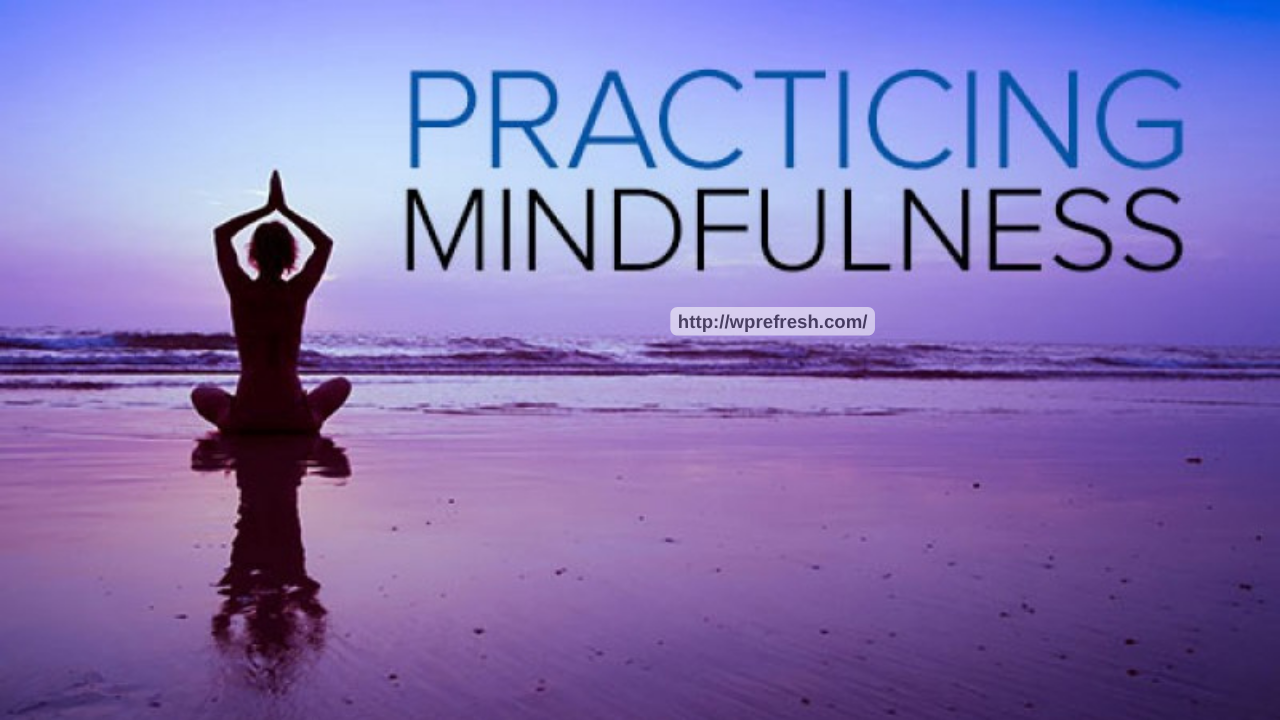

Breaking Free: Using Meditation to Overcome Cravings and Find Clarity

Cravings can feel like an overwhelming force, challenging even the most committed individuals in recovery. Managing these urges while maintaining mental clarity requires more than willpower—it requires a mindful approach. At wprefresh.com, we recognize the power of meditation as a practical tool to help individuals navigate cravings, reduce stress, and achieve inner clarity. By integrating meditation into holistic recovery programs, clients gain skills to strengthen their mind, body, and spirit.

Why Meditation Helps Manage Cravings

Addiction alters the brain’s reward pathways, often making cravings intense and difficult to resist. Meditation provides a space to observe these urges without judgment. By practicing mindfulness, individuals learn to recognize cravings as temporary thoughts and sensations rather than commands that must be acted upon. This awareness fosters self-control, reduces impulsivity, and creates a foundation for long-term recovery.

Benefits of Meditation in Recovery

  • Reduces the intensity and frequency of cravings
  • Enhances emotional regulation and resilience
  • Lowers stress and anxiety by calming the nervous system
  • Improves focus, clarity, and decision-making
  • Supports spiritual and mental well-being

Through regular meditation, clients develop the ability to respond to triggers thoughtfully instead of reacting impulsively, which is crucial for sustaining sobriety.

Meditation Techniques to Overcome Cravings

Mindful Breathing

Find a quiet space and focus on your breath. Inhale deeply and exhale slowly, noticing the flow of air in your body. Concentrating on breathing shifts attention away from cravings and calms the nervous system.

Body Scan Meditation

Progressively focus on different areas of your body, observing sensations without judgment. This practice reconnects you with your physical self and promotes relaxation, helping you manage tension that often accompanies cravings.

Guided Visualization

Visualize yourself successfully navigating a trigger or craving. Imagining positive outcomes strengthens mental resilience and provides a roadmap for responding to challenging situations in real life.

Faith-Based Mindfulness

Integrating prayer or spiritual reflection into meditation fosters a sense of connection, purpose, and inner peace. Many clients at wprefresh.com find this approach deeply supportive for managing cravings and reinforcing their recovery journey.

Building a Consistent Meditation Practice

Consistency is essential for maximizing the benefits of meditation. Begin with short, manageable sessions and gradually extend the duration as comfort and focus increase. Incorporate meditation into daily routines, such as morning or evening rituals, to make it a sustainable habit. Pair meditation with journaling or mindful movement to reinforce mental clarity and emotional balance.

At wprefresh.com, meditation is seamlessly integrated into our individualized recovery programs. Whether in inpatient or outpatient care, our compassionate team provides guidance, support, and practical tools to help clients use meditation to navigate cravings and strengthen overall well-being.

Take the Next Step Toward Clarity

Overcoming cravings is not just about resisting urges—it is about cultivating a clear, focused, and resilient mind. Meditation empowers you to break free from the cycle of cravings and approach recovery with confidence.

Reach out to wprefresh.com today to begin your journey toward mental clarity, emotional balance, and lasting recovery.

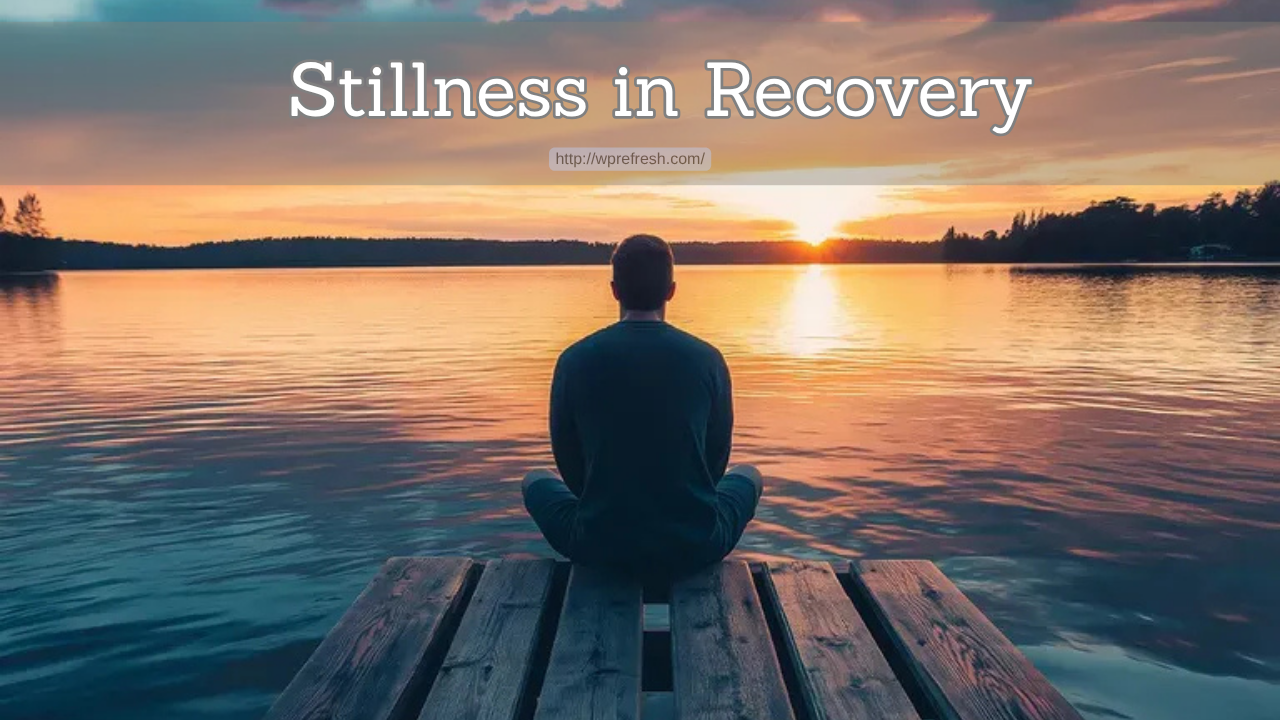
Mindful Beginnings: Starting Your Day with Meditation for Inner Peace

Mornings set the tone for the rest of the day. For those on the path to addiction recovery or healing from mental health challenges, how you start your morning can determine your sense of calm, focus, and resilience. Meditation offers a powerful, natural way to bring peace into your mornings, allowing you to begin each day with clarity and intention. At wprefresh.com, we believe in holistic healing that nurtures both the mind and spirit, and mindful morning routines play an essential role in that journey.

The Power of a Peaceful Morning

When recovering from addiction or managing emotional stress, mornings can often feel heavy. Racing thoughts, anxiety, or fatigue can make it difficult to start the day with focus. Meditation helps create stillness amid that mental noise. By taking just a few minutes to breathe deeply and connect with the present moment, you can calm the nervous system, regulate your mood, and prepare your mind for whatever lies ahead.

Starting your day with mindfulness is not about perfection. It is about choosing peace before the world demands your attention. Over time, these quiet moments of reflection help build emotional balance and self-awareness—two key elements in sustaining long-term recovery and mental well-being.

Why Morning Meditation Matters in Recovery

The early hours of the day are often when the mind is most receptive. During recovery, this is an ideal time to nurture positive thoughts and strengthen healthy habits. Meditation in the morning helps to:

  • Reduce stress and anxiety by lowering cortisol levels
  • Increase focus and attention throughout the day
  • Build resilience against cravings and emotional triggers
  • Encourage gratitude and mindfulness in daily decisions

Many individuals in addiction recovery find that meditation supports other therapeutic practices. It reinforces the lessons learned in counseling, enhances emotional awareness, and provides a practical way to stay centered in moments of stress or temptation.

Simple Morning Meditation Practices

1. Focused Breathing

Find a quiet space and sit comfortably. Close your eyes and focus on your breath. Inhale slowly through your nose, hold for a moment, and exhale through your mouth. Even five minutes of focused breathing can reset your mind and prepare you for the day.

2. Gratitude Reflection

Begin your morning by thinking of three things you are grateful for. This practice shifts your focus away from worry and toward positivity, helping you cultivate a mindset of hope and healing.

3. Guided Meditation

Listening to a short, guided meditation can help you stay consistent, especially if you are new to the practice. Many apps and online programs offer faith-based or recovery-centered meditations that align with your personal values.

4. Prayerful Meditation

For those who draw strength from faith, prayerful meditation integrates spiritual reflection with mindfulness. This practice invites peace, guidance, and connection to something greater than oneself—an essential element of many holistic recovery programs at wprefresh.com.

Building a Mindful Morning Routine

Creating a morning meditation routine does not have to be complicated. The key is consistency. Start small—perhaps with five minutes each morning—and build gradually. Pair meditation with other healthy habits, like stretching, journaling, or drinking a glass of water. These simple actions reinforce the idea that every day is a new opportunity for renewal.

At wprefresh.com, we help individuals integrate mindfulness into their recovery journey through personalized care. Whether through inpatient treatment, outpatient support, or holistic therapies, we encourage practices that build inner strength and lasting serenity.

Find Peace in Every Beginning

Every new morning offers a chance to begin again. Through meditation, you can quiet your thoughts, strengthen your focus, and reconnect with your purpose. Recovery is not only about healing from the past but also about creating a peaceful and intentional present.

If you are ready to discover the calm that comes from within, wprefresh.com is here to support you. Contact our compassionate team today to learn how mindfulness and meditation can transform your recovery and help you find lasting peace.

Finding Stillness: How Meditation Can Transform Your Recovery Journey

Recovery from addiction and the management of mental health challenges often feel like navigating a storm. Thoughts race, emotions fluctuate, and the path to peace can seem distant. At wprefresh.com, we understand that true healing involves restoring balance to the mind, body, and spirit. Meditation offers a powerful tool for finding stillness, cultivating awareness, and transforming your recovery journey. By incorporating mindful practices, individuals can strengthen resilience, manage stress, and foster long-term wellness.

The Importance of Stillness in Recovery

Addiction and mental health challenges can overwhelm the mind with constant noise. Racing thoughts, worries, and emotional triggers often make it difficult to focus on recovery goals. Stillness, achieved through meditation, provides a way to pause and regain control. By practicing mindfulness, individuals learn to observe their thoughts without judgment, reduce impulsive reactions, and respond to challenges with clarity and intention.

How Meditation Supports Healing

Meditation creates a space for self-awareness and reflection. Scientific research shows that regular meditation lowers cortisol levels, reduces anxiety, and enhances emotional regulation. For individuals in recovery, this translates into better management of cravings, reduced stress, and improved mental clarity. Meditation also strengthens the brain areas responsible for focus and self-control, which are crucial for maintaining long-term recovery.

Practical Meditation Techniques for Recovery

Mindful Breathing

Focus on your breath as it flows in and out. This simple practice anchors your attention in the present moment, helping to calm the mind and reduce stress. Even a few minutes of mindful breathing each day can create significant benefits.

Body Scan Meditation

Bring awareness to each part of your body, noticing sensations and releasing tension. This technique reconnects you with your physical self and promotes relaxation, which is especially helpful for those managing stress or anxiety during recovery.

Guided Visualization

Visualize a safe, peaceful space and imagine yourself feeling calm and supported. Guided visualizations can reduce anxiety and strengthen emotional resilience, making it easier to cope with triggers or challenging situations.

Faith-Based Meditation

Incorporate prayer, scripture, or spiritual reflection into your meditation practice. This approach nurtures both inner peace and spiritual growth, aligning with the holistic, faith-centered care provided at wprefresh.com.

Building a Consistent Practice

Consistency is key to reaping the benefits of meditation. Begin with short sessions and gradually increase the duration as you feel more comfortable. Setting a regular time and creating a quiet space for practice helps establish a sustainable routine. Remember that meditation is a skill that grows stronger with practice, patience, and self-compassion.

A Holistic Approach at wprefresh.com

At wprefresh.com, meditation is integrated into a comprehensive treatment plan. Our programs combine evidence-based therapy, medical support, and holistic practices to address the mind, body, and spirit. Whether in inpatient or outpatient care, we provide individualized support to help clients develop skills that promote healing and long-term recovery.

Take the Next Step

Finding stillness is not about eliminating thoughts or emotions; it is about creating a space to respond with clarity and intention. Meditation offers a path to inner calm, emotional resilience, and lasting recovery. At wprefresh.com, our compassionate team is ready to guide you on this transformative journey.

Contact us today to begin your path toward peace, healing, and renewed strength in recovery.

The Peace Within: How Mindfulness Practices Heal the Modern Mind

In today’s fast-moving world, stress and distraction have become the norm. For those facing addiction, trauma, or mental health struggles, this constant noise can make recovery feel even more challenging. At wprefresh.com, we understand that true healing requires more than medical treatment alone. It takes practices that bring balance to the mind, body, and spirit. Mindfulness is one of the most powerful ways to find calm, clarity, and strength in the middle of life’s challenges. By cultivating the peace within, individuals discover a path toward resilience and lasting wellness.

Why Mindfulness Matters in Recovery

Addiction often thrives in cycles of stress, impulsive thoughts, and emotional overwhelm. Mindfulness interrupts these cycles by training the mind to pause and observe the present moment. This simple shift helps reduce cravings, improve emotional regulation, and empower healthier decision-making. For individuals working through recovery, mindfulness is not just about relaxation. It is about regaining control and creating space for healing to take root.

The Science Behind Mindfulness

Mindfulness has been studied extensively, and the evidence is clear. Regular practice lowers cortisol, the hormone associated with stress, while boosting activity in brain regions responsible for focus, memory, and emotional regulation. These changes are especially important for individuals healing from substance use disorders, as the brain’s natural balance is often disrupted by addiction.

Key Benefits of Mindfulness Practices

  • Reduced anxiety and depression symptoms
  • Improved sleep and physical relaxation
  • Stronger self-awareness and emotional control
  • Greater ability to manage triggers and cravings
  • A deeper sense of spiritual connection and inner calm

These benefits make mindfulness a cornerstone of both mental health treatment and addiction recovery.

Simple Mindfulness Practices to Begin Today

Mindful Breathing

Taking slow, steady breaths and focusing on the rhythm of inhaling and exhaling calms the nervous system. This practice can be used at any moment of stress.

Body Scan Meditation

Bringing attention to each part of the body helps release tension and reconnects individuals with their physical selves. This is especially helpful for those who feel disconnected from their bodies due to trauma or substance use.

Faith-Based Reflection

At wprefresh.com, many clients find strength in combining mindfulness with prayer or scripture reading. This practice nurtures both inner stillness and spiritual growth.

Grounding Exercises

Focusing on the senses—what you can see, hear, touch, taste, and smell—brings awareness back to the present and reduces racing thoughts.

A Holistic Approach at wprefresh.com

Mindfulness is only one part of the comprehensive care offered at wprefresh.com. We combine evidence-based therapy, medical treatment, holistic practices, and faith-centered guidance to address the whole person. Whether in inpatient or outpatient care, clients receive individualized support that meets them where they are. By integrating mindfulness into recovery, we help individuals rediscover peace, resilience, and a stronger connection to themselves.

Take the Next Step

The peace you are seeking is already within you. Through mindfulness, you can quiet the noise, build resilience, and walk with confidence on the road to recovery. At wprefresh.com, our compassionate team is here to guide you with personalized care that honors your mind, body, and spirit.

Contact us today to begin your journey toward healing, clarity, and lasting peace.