
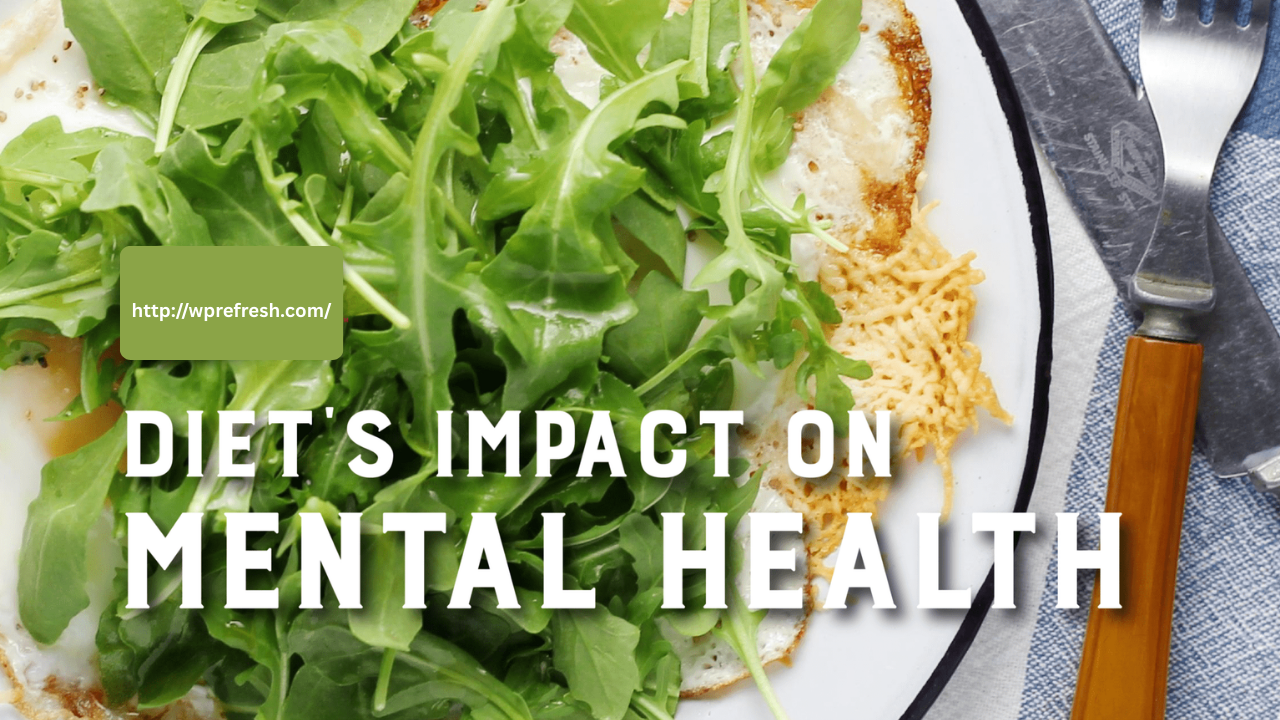
The Gut-Brain Connection: How Your Diet Affects Mental Health

In recent years, scientists have uncovered a fascinating link between gut health and mental well-being, often referred to as the gut-brain connection. This relationship highlights the powerful role that diet plays not only in physical health but also in emotional and cognitive functioning. Understanding how the gut and brain communicate can empower individuals to make dietary choices that enhance mental clarity, reduce anxiety, and support emotional stability.

Understanding the Gut-Brain Axis

The gut-brain axis is a complex communication network that links the gastrointestinal tract with the brain. This connection is facilitated through biochemical signaling involving the nervous system, immune system, and endocrine system. The vagus nerve, a major nerve in the body, plays a central role in this two-way communication.

One of the key players in this system is the gut microbiome—a vast community of bacteria, fungi, and other microorganisms that reside in the digestive tract. These microbes influence many aspects of health, including digestion, immunity, and even mood regulation.

The Role of the Microbiome in Mental Health

Research has shown that a healthy, balanced gut microbiome contributes to the production of neurotransmitters such as serotonin, dopamine, and gamma-aminobutyric acid (GABA), which are essential for mood regulation. In fact, about 90% of the body’s serotonin is produced in the gut.

An imbalance in gut bacteria—known as dysbiosis—has been linked to a range of mental health issues, including depression, anxiety, and cognitive decline. This imbalance can lead to increased inflammation and impaired communication between the gut and brain, contributing to mood disorders and other psychological symptoms.

Foods That Support Gut and Mental Health

Making mindful dietary choices can significantly impact gut health and, by extension, mental well-being. Here are some foods that support a healthy gut-brain connection:

  1. Probiotic-Rich Foods – Yogurt, kefir, sauerkraut, kimchi, and miso contain beneficial bacteria that help maintain a balanced microbiome.
  2. Prebiotic Foods – Bananas, garlic, onions, leeks, and asparagus provide fiber that nourishes good bacteria in the gut.
  3. Omega-3 Fatty Acids – Found in fatty fish, flaxseeds, and walnuts, omega-3s have anti-inflammatory properties and are linked to improved mood and cognitive function.
  4. Whole Grains – Brown rice, oats, and quinoa are rich in fiber, which supports digestive health and stable energy levels.
  5. Fruits and Vegetables – These are high in antioxidants and fiber, which help reduce inflammation and support a healthy microbiome.

Foods to Limit or Avoid

To maintain optimal gut and mental health, it is also important to limit processed foods, refined sugars, and excessive alcohol, as these can disrupt gut bacteria and increase inflammation.

Conclusion

The gut-brain connection illustrates the profound impact that diet has on mental health. By nurturing the gut microbiome with nutrient-rich, whole foods, individuals can support mood regulation, reduce symptoms of anxiety and depression, and enhance overall well-being. Prioritizing gut health is a powerful step toward achieving lasting mental clarity and emotional resilience.

Exercise for Longevity: How Movement Can Add Years to Your Life

In the quest for a longer, healthier life, one of the most powerful tools at our disposal is also one of the simplest: regular physical activity. Exercise has long been recognized not only for its ability to improve physical fitness and mental well-being but also for its remarkable role in extending lifespan. Engaging in consistent movement throughout life can significantly enhance longevity and quality of life.

The Science of Exercise and Longevity

Scientific research has repeatedly shown a strong connection between physical activity and increased life expectancy. Regular exercise helps maintain healthy body weight, lowers the risk of chronic diseases, and strengthens the heart, lungs, and muscles. Studies suggest that individuals who are physically active can live up to seven years longer than those who are sedentary.

Exercise also influences biological aging. It reduces inflammation, improves immune function, and slows the decline of telomeres—the protective caps at the ends of chromosomes that shorten with age. Longer telomeres are associated with healthier aging and a reduced risk of age-related diseases.

Benefits of Regular Physical Activity

  1. Cardiovascular Health – Exercise strengthens the heart, improves circulation, and helps regulate blood pressure and cholesterol levels, reducing the risk of heart disease and stroke.
  2. Metabolic Function – Physical activity enhances insulin sensitivity and helps regulate blood sugar levels, lowering the risk of type 2 diabetes.
  3. Bone and Muscle Strength – Weight-bearing exercises like walking, strength training, and yoga preserve bone density and muscle mass, preventing osteoporosis and age-related muscle loss.
  4. Cognitive Health – Movement boosts brain function, improves memory, and reduces the risk of cognitive decline and dementia.
  5. Mental Well-being – Regular exercise releases endorphins, which reduce stress and elevate mood. It also combats depression and anxiety, promoting emotional resilience.

Types of Exercise for Longevity

A well-rounded fitness routine includes a mix of aerobic, strength, flexibility, and balance exercises. Here are key types of movement that contribute to a longer life:

  • Aerobic Exercise – Activities like brisk walking, swimming, cycling, or dancing improve cardiovascular health and endurance.
  • Strength Training – Lifting weights or using resistance bands helps maintain muscle mass and bone density.
  • Flexibility Exercises – Stretching or yoga enhances range of motion and reduces the risk of injury.
  • Balance Exercises – Practices like tai chi improve stability and prevent falls, especially in older adults.

Making Movement a Lifelong Habit

The key to reaping the longevity benefits of exercise is consistency. It’s not necessary to engage in intense workouts; even moderate activity, such as 30 minutes of brisk walking most days of the week, can make a significant difference.

Incorporate movement into your daily routine by taking the stairs, going for short walks, or engaging in recreational activities you enjoy. Finding a workout buddy or joining a fitness class can also provide motivation and accountability.

Conclusion

Exercise is one of the most effective ways to increase both the length and quality of life. By staying active and making movement a daily habit, you can enhance your physical health, mental clarity, and emotional well-being. It’s never too late to start—every step you take adds vitality to your years and years to your life.