
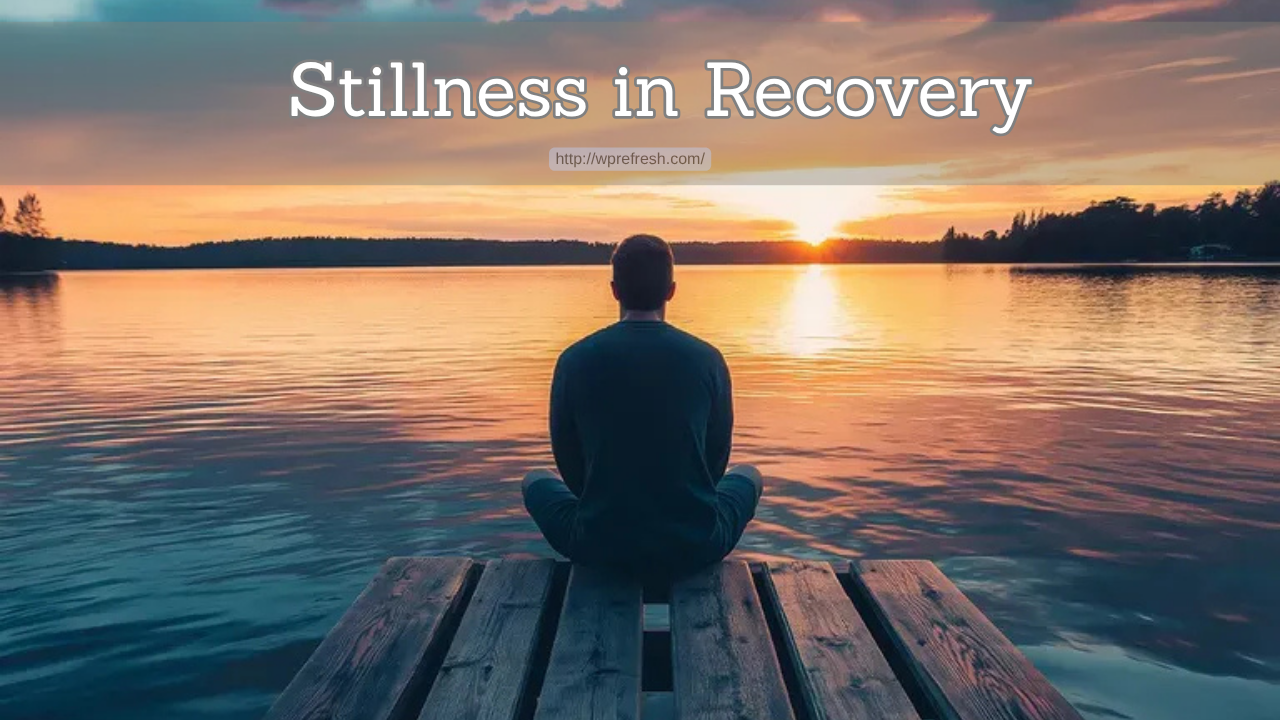
Recovery from addiction and the management of mental health challenges often feel like navigating a storm. Thoughts race, emotions fluctuate, and the path to peace can seem distant. At wprefresh.com, we understand that true healing involves restoring balance to the mind, body, and spirit. Meditation offers a powerful tool for finding stillness, cultivating awareness, and transforming your recovery journey. By incorporating mindful practices, individuals can strengthen resilience, manage stress, and foster long-term wellness.
The Importance of Stillness in Recovery
Addiction and mental health challenges can overwhelm the mind with constant noise. Racing thoughts, worries, and emotional triggers often make it difficult to focus on recovery goals. Stillness, achieved through meditation, provides a way to pause and regain control. By practicing mindfulness, individuals learn to observe their thoughts without judgment, reduce impulsive reactions, and respond to challenges with clarity and intention.
How Meditation Supports Healing
Meditation creates a space for self-awareness and reflection. Scientific research shows that regular meditation lowers cortisol levels, reduces anxiety, and enhances emotional regulation. For individuals in recovery, this translates into better management of cravings, reduced stress, and improved mental clarity. Meditation also strengthens the brain areas responsible for focus and self-control, which are crucial for maintaining long-term recovery.
Practical Meditation Techniques for Recovery
Mindful Breathing
Focus on your breath as it flows in and out. This simple practice anchors your attention in the present moment, helping to calm the mind and reduce stress. Even a few minutes of mindful breathing each day can create significant benefits.
Body Scan Meditation
Bring awareness to each part of your body, noticing sensations and releasing tension. This technique reconnects you with your physical self and promotes relaxation, which is especially helpful for those managing stress or anxiety during recovery.
Guided Visualization
Visualize a safe, peaceful space and imagine yourself feeling calm and supported. Guided visualizations can reduce anxiety and strengthen emotional resilience, making it easier to cope with triggers or challenging situations.
Faith-Based Meditation
Incorporate prayer, scripture, or spiritual reflection into your meditation practice. This approach nurtures both inner peace and spiritual growth, aligning with the holistic, faith-centered care provided at wprefresh.com.
Building a Consistent Practice
Consistency is key to reaping the benefits of meditation. Begin with short sessions and gradually increase the duration as you feel more comfortable. Setting a regular time and creating a quiet space for practice helps establish a sustainable routine. Remember that meditation is a skill that grows stronger with practice, patience, and self-compassion.
A Holistic Approach at wprefresh.com
At wprefresh.com, meditation is integrated into a comprehensive treatment plan. Our programs combine evidence-based therapy, medical support, and holistic practices to address the mind, body, and spirit. Whether in inpatient or outpatient care, we provide individualized support to help clients develop skills that promote healing and long-term recovery.
Take the Next Step
Finding stillness is not about eliminating thoughts or emotions; it is about creating a space to respond with clarity and intention. Meditation offers a path to inner calm, emotional resilience, and lasting recovery. At wprefresh.com, our compassionate team is ready to guide you on this transformative journey.
Contact us today to begin your path toward peace, healing, and renewed strength in recovery.