
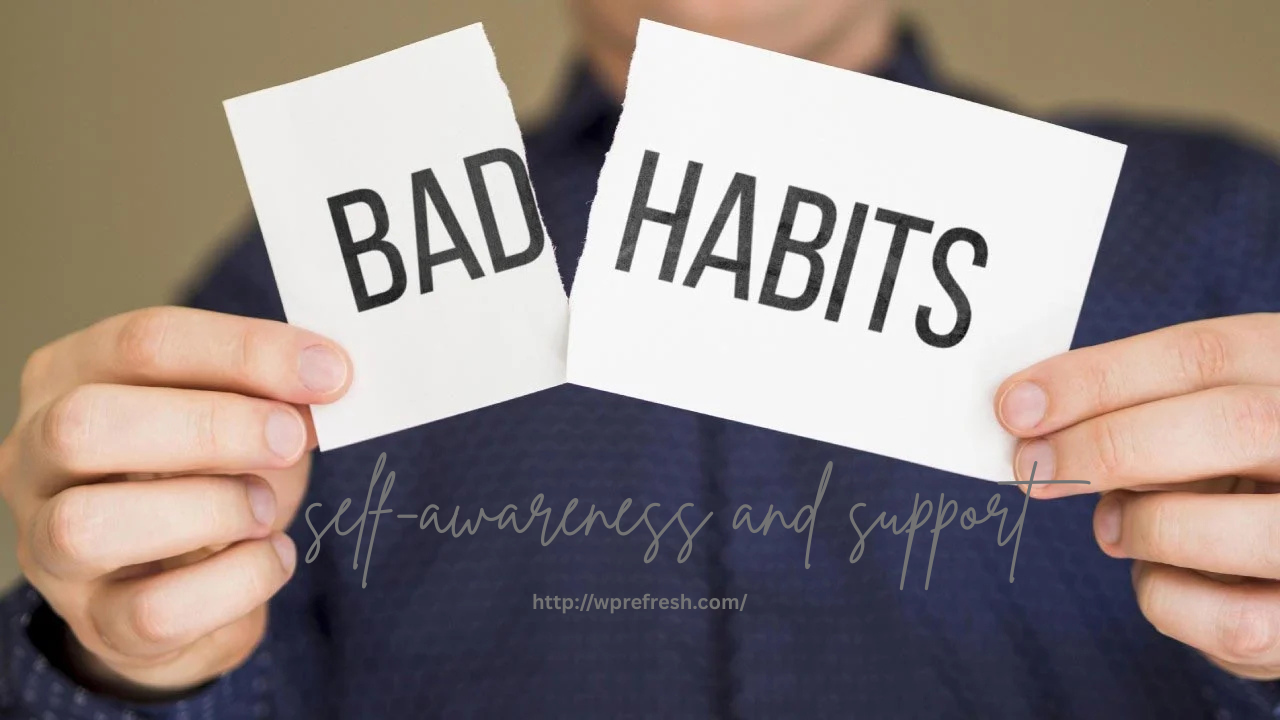
We all have habits we wish we could change—whether it’s procrastinating, smoking, overeating, or spending too much time on our phones. While breaking bad habits can feel overwhelming, it is entirely possible with the right mindset, tools, and strategy. Understanding the science behind habits and implementing a step-by-step approach can lead to lasting change and a healthier, more fulfilling life.
Step 1: Identify the Habit and Its Triggers
The first step in breaking a bad habit is recognizing what the habit is and what triggers it. Habits are often formed through a loop of cue, routine, and reward. For example, you may feel stressed (cue), eat junk food (routine), and experience temporary relief (reward). Keeping a journal to track when and where the habit occurs can help identify patterns and underlying causes.
Step 2: Set a Clear and Specific Goal
Vague intentions like “I want to be healthier” are less effective than clear, actionable goals. Define what success looks like for you. Instead of saying, “I want to stop eating junk food,” say, “I will replace chips with fruit during my afternoon snack.” Setting realistic, measurable goals makes it easier to stay focused and motivated.
Step 3: Replace the Habit with a Positive Alternative
Rather than trying to eliminate a habit outright, it’s often more effective to replace it with a healthier alternative that fulfills the same need. If you’re trying to stop smoking, for instance, find another way to cope with stress, such as taking a walk, practicing deep breathing, or chewing gum. Replacing the behavior helps retrain your brain and makes the transition smoother.
Step 4: Use Triggers and Rewards to Reinforce Change
Just as bad habits are formed through cues and rewards, you can use the same mechanism to build good habits. Set up positive triggers to remind you of your new behavior and reward yourself for sticking to it. For example, place your workout clothes where you can see them to cue exercise, and treat yourself to a relaxing bath after completing your session.
Step 5: Practice Patience and Persistence
Breaking a habit doesn’t happen overnight. It requires consistent effort and time. Slip-ups are normal and should be viewed as opportunities to learn rather than failures. Be kind to yourself, and stay committed to the process. Persistence is key—the more you practice your new behavior, the more ingrained it becomes.
Step 6: Build a Support System
Change is easier when you’re not doing it alone. Share your goals with friends, family, or a support group. Having someone to encourage you, hold you accountable, and celebrate your progress can make a significant difference. Online communities, apps, and professional coaches are also valuable resources.
Conclusion
Breaking bad habits is a journey that begins with self-awareness and is sustained by intentional action and support. By identifying triggers, setting clear goals, replacing negative behaviors with positive ones, and staying patient and persistent, you can create lasting change. Remember, every small step counts. With dedication and the right approach, you can overcome even the most stubborn habits and build a healthier, more empowered life.